
What does it truly mean for a business to create value for investors, for society, and for the people within it? Yuka Amano, Director at Codo Advisory and Investment Team Director for the Japan Evolution Fund, has spent her career working at the intersection of these questions. Having sat on both sides of the investor-entrepreneur relationship, she brings a rare perspective to impact investing in regional Japan. In this interview, we spoke with Ms. Amano about bridging the gap between businesses and investors, the hidden strengths of Kyushu’s owner-led companies, and why lasting change ultimately comes down to people.
From People to Capital: A Career Built on Bridging Gaps
Morgane:Thank you for taking the time to speak with us today. To begin, could you tell us a little about your career journey and what led you to Codo Advisory?
Yuka Amano: Looking back, a common thread throughout my career has been a fascination with how people and organizations create change.
I began my career at Recruit, where I worked in the fields of human resources and organizational strategy. One of the most important lessons I learned there was that, ultimately, it is people—not systems—that determine whether a business succeeds or fails.
After that, I held several management-related roles within manufacturing companies. Time and again, I saw businesses with outstanding technologies, products, or visions struggle because they lacked an effective way to bring those strengths to market or communicate their value to the outside world. Those experiences led me to think deeply about what enables a business not only to survive, but to grow sustainably.
I later joined MCP Asset Management as a venture capitalist, which gave me the opportunity to view businesses through the lens of an investor. Today, at Codo Advisory, part of the MCP Asset Management group, I help bridge the gap between businesses and investors: translating a company’s value into a language investors understand, while helping businesses better understand what investors are looking for.
When I reflect on my career, the roles may have changed, but the underlying mission has remained remarkably consistent.
Morgane: Your description of “bridging the gap between businesses and investors” is particularly interesting. Having worked on both sides, what insights have you gained from those experiences?
Yuka Amano: One of the biggest lessons I’ve learned is that the same business can look completely different depending on your perspective.
People working within a company see things that rarely appear in financial reports. They understand the commitment of employees, the trust built with customers, the expertise accumulated over years, and the countless intangible factors that keep a business moving forward.
Morgane: And that changes from an investor’s perspective?
Yuka Amano: Very much so. When you evaluate a company from the outside as an investor, everything ultimately needs to be translated into financial performance. Many forms of value that are obvious to people inside the organization become difficult to capture in conventional assessments.
I’ve had the opportunity to sit on both sides of that equation. I understand what it feels like to build and operate a business, and I also understand what investors look for when assessing opportunities. That experience has shown me how significant the gap between those perspectives can be—and how difficult it is to bridge.
I believe that ability to understand both viewpoints is one of the defining characteristics of my professional background.
Morgane: Does that connect to your academic research as well?
Yuka Amano: Absolutely. Much of my research has focused on how people with different perspectives understand the same reality, and how those perspectives can be reconciled. In many ways, it is the same question that continues to drive my work today.
Beyond Good Intentions: What Makes a Business Truly Investable
Morgane: You currently serve as Investment Team Director for the Japan Evolution Fund, which seeks both financial returns and social impact. From your perspective, what distinguishes a business that is “good for society” from one that is actually investable?
Yuka Amano: A “good” business, from the entrepreneur’s perspective, is one that clearly identifies a meaningful social challenge and is genuinely committed to addressing it. That’s relatively straightforward.
Morgane: But that’s not enough on its own?
Yuka Amano: No. Businesses operate within society. As they grow, what matters is not only how they see themselves, but also how society perceives them. Whether a business is truly successful depends both on its economic viability and on the value society attributes to it. There is always a gap between how a company views itself and how the outside world views it, and that gap tends to widen if it isn’t actively managed.
Morgane: And investment introduces another set of considerations?
Yuka Amano: Exactly. Investment funds operate within certain constraints—time horizons, return expectations, and portfolio requirements.
In impact investing, we also need to consider the scale of the problem being addressed and whether the business has a realistic path to sustained growth. A company may be doing important work, but that doesn’t automatically make it investable. For me, the goal isn’t to lower investment standards. It’s to help businesses communicate their value more effectively and ensure that investors and society can properly understand what those businesses are creating. That’s where I focus most of my efforts.
Morgane: The Japan Evolution Fund is based in Kyushu, and many of its portfolio companies are located there. What stands out to you about businesses in the region?
Yuka Amano: Kyushu is often described as a “one-tenth economy,” representing roughly ten percent of Japan’s population and economic activity. The region is home to many owner-led businesses that play important roles within their local communities. Because they are less driven by quarterly market pressures, many of these leaders take a genuinely long-term approach to management.
Morgane: Are there particular characteristics even within Kyushu?
Yuka Amano: Yes. Different parts of Kyushu have distinct industrial strengths. Some are centered on services, while others have deep roots in agriculture, manufacturing, and other sectors closely connected to the real economy. It’s also a region where companies tend to have a strong sense of responsibility toward their employees and local communities. Long before sustainability became a mainstream topic, many businesses were already practicing principles that we would now associate with sustainability.
Morgane: Are there challenges as well?
Yuka Amano: Certainly. One challenge is that the value these companies create is not always fully recognized by markets centered in Tokyo. At the same time, many entrepreneurs in the region are highly independent and deeply committed to their communities. While that’s a tremendous strength, it can sometimes limit exposure to external capital, networks, and opportunities. Helping to build those connections can create significant value.
Capital as a Choice About the Future
Morgane: About two years ago, I interviewed our now-CEO, Ulysses Aoki, who said that we all have a role to play in addressing the challenges facing our planet. Building on that idea, what role do you believe investors should play in society?
Yuka Amano: I strongly agree with that perspective. If I were to identify one role unique to investors, it would be the allocation of capital. Every investment decision is ultimately a decision about the future we want to help create. In a period of significant economic and social change, I believe it is important to support companies with a clear vision. Through the MCP Group, we do that through investment. Through Codo, we do it through ESG and impact advisory services.
Morgane: Yet capital alone isn’t enough to solve complex challenges.
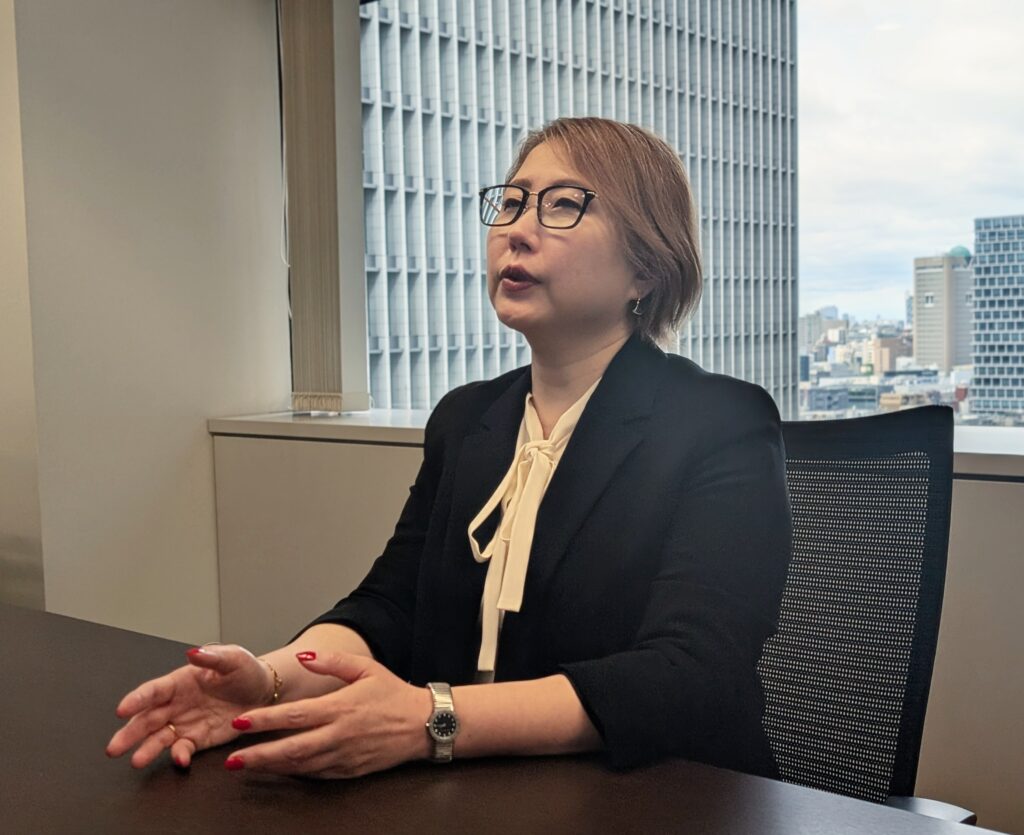
Yuka Amano: That’s right. To be honest, I don’t believe capital alone can solve them. Take decarbonization as an example. We now have sophisticated tools to measure emissions and visualize environmental performance. Yet progress often remains slower than expected. The reason, I think, is that we’ve become very good at measuring outcomes, but much less effective at understanding what motivates people to act.
Most social challenges ultimately come down to people—how they relate to one another, to institutions, and to society. Unless we can better understand those human dimensions, data and metrics alone will only take us so far.
Morgane: How do you think we could better understand the motivations of people?
Yuka Amano: Social media often amplifies opinions, but amplification isn’t the same thing as understanding. In many cases, it actually reduces nuance. On the other hand, if we group people into broad categories and average their views, we lose the individual experiences and circumstances that shape those perspectives in the first place. The challenge is finding ways to understand and communicate people’s perspectives without reducing them to simple labels or metrics. And once those perspectives become visible, we need mechanisms to connect people with different viewpoints. Only then can systems function constructively over the long term. To me, that’s what sustainability is really about. Investors play an important role within that broader system, but they are only one part of it. Capital matters, but so does creating the conditions for mutual understanding and meaningful collaboration.
Tradition as Sustainability: Lessons from Kyoto’s Crafts
Morgane: In addition to investing, you’ve also been involved in business management. One particularly interesting example was your work supporting the revitalization of Kyoto’s traditional crafts industry. Was social impact part of your thinking there as well?
Yuka Amano: Very much so. Traditional craftsmanship represents, in many ways, a mature form of sustainability. It combines techniques refined over generations, locally rooted resources, and knowledge passed down through centuries. These are forms of value that simply cannot be created through short-term efficiency alone.
Morgane: How did you approach bringing those traditions into contemporary markets?
Yuka Amano: No matter how exceptional a craft may be, it cannot survive unless it remains economically viable. If artisans cannot make a living, the skills themselves eventually disappear. From my perspective, the goal wasn’t simply to preserve traditional techniques. It was to create a sustainable business model that would allow those traditions to continue. One example involved collaborations with anime franchises, which helped us reach entirely new customer segments and create new distribution channels. By expanding the market, we were able to create new opportunities for growth while preserving the integrity of the craft itself. It was an incredibly valuable learning experience.
Morgane: How did the artisans respond?
Yuka Amano: What was most rewarding was seeing them recognize new possibilities. Social impact isn’t only about transforming markets. It’s also about changing how people see their own potential and future opportunities.
Morgane: In sustainability, there is often a strong focus on KPIs, reporting frameworks, and governance structures. Yet, as we have talked about during this interview, organizations are ultimately driven by people. Have there been moments in your career when you felt that values and personal conviction were what truly moved an organization forward?
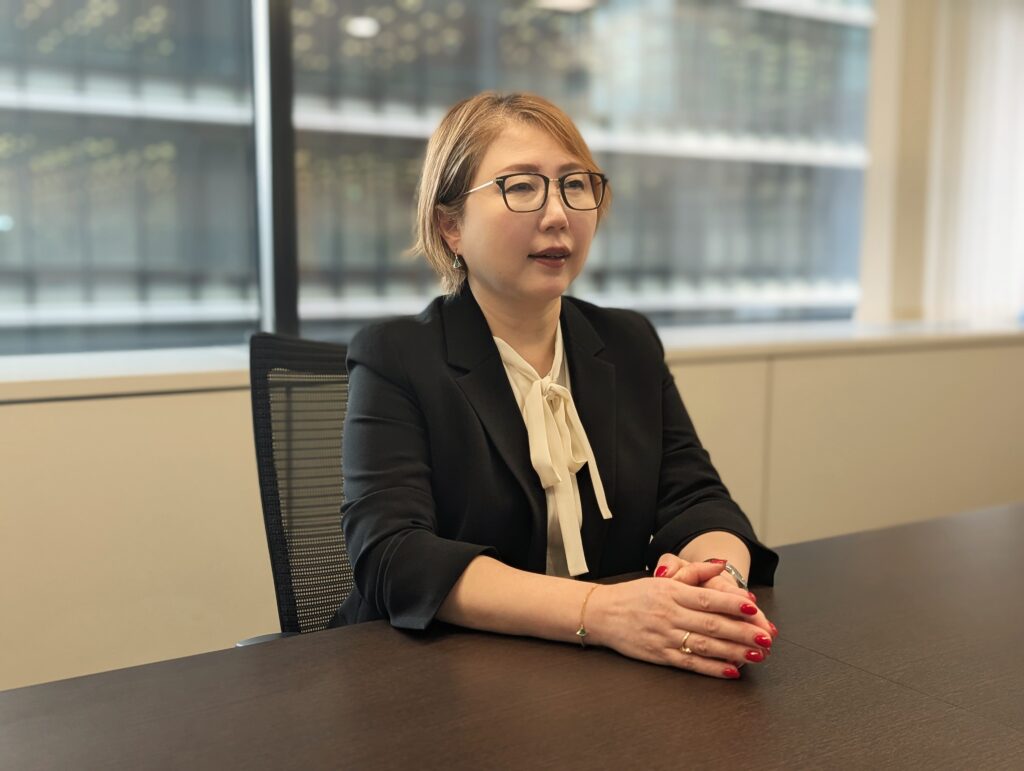
Yuka Amano: Many times. The roots of that belief go back to my graduate research, where I studied social enterprises: organizations that create employment opportunities for people facing barriers in the labor market, including people with disabilities.
Morgane: What did those organizations have in common?
Yuka Amano: What struck me was that they rarely started with sophisticated systems or performance indicators. Instead, they often began with a simple conviction: “We want to create a place where these people can thrive. “The business model was then built around making that vision sustainable.
In that sense, they aren’t fundamentally different from other entrepreneurial ventures. The difference is that a social issue sits at the heart of the business itself. Most social issues involve people. Because of that, understanding how to align motivations, behaviors, and incentives becomes critically important. People naturally hold different values and priorities. Without a mechanism to bring those perspectives together, their collective impact remains limited.
Morgane: Did you see the same dynamic in manufacturing companies?
Yuka Amano: Absolutely.
Throughout my career, I’ve repeatedly seen organizations transform not because of a strategic plan or a spreadsheet, but because someone on the ground felt deeply committed to a particular mission and refused to give up.At the same time, conviction alone is not enough. The role of management is to create systems that channel that energy effectively.
KPIs, disclosures, and governance structures are important, but they are ultimately just frameworks. What matters most is building organizations where people can bring purpose and commitment to life.
Morgane: Finally, on a more personal note, what have you been particularly passionate about recently?
Yuka Amano: Karate has had a profound impact on me. I started practicing as an adult, and it has influenced far more than my physical health. Karate is often described as “moving meditation,” and I think that’s very true. The process of integrating mind, technique, and body has shaped the way I approach everyday life. More recently, I’ve also taken up kickboxing. It’s a very different experience, more immediate and intense, and it gives me a chance to clear my mind completely and focus on the present moment.
Morgane: And when you want to slow down and reflect?
Yuka Amano: Reading has always been one of my favorite ways to spend time.
I’ve been a longtime fan of Agatha Christie. While I enjoy both Hercule Poirot and Miss Marple, one of my favorite novels is Absent in the Spring. I also enjoy reading works by Michael Connelly. Beyond fiction, I read widely in economics, management, and philosophy. Revisiting thinkers such as Adam Smith often reminds me how relevant many classical ideas remain today. I sometimes feel that philosophy is still a very contemporary field. Human beings remain endlessly complex and fascinating.
Morgane: Is that what draws you to history and culture as well?
Yuka Amano: I think so. I have a particular interest in archaeology. I’m fascinated by what people in ancient civilizations, whether in Egypt, Greece, or elsewhere believed in, how they lived, and what they chose to leave behind. Looking at human history across thousands of years often puts today’s challenges into perspective and helps clarify what truly matters. Tradition and innovation. Ancient and modern. For me, both continue to offer valuable insights into how we navigate the present.
Morgane: Thank you very much for sharing your insights with us today!
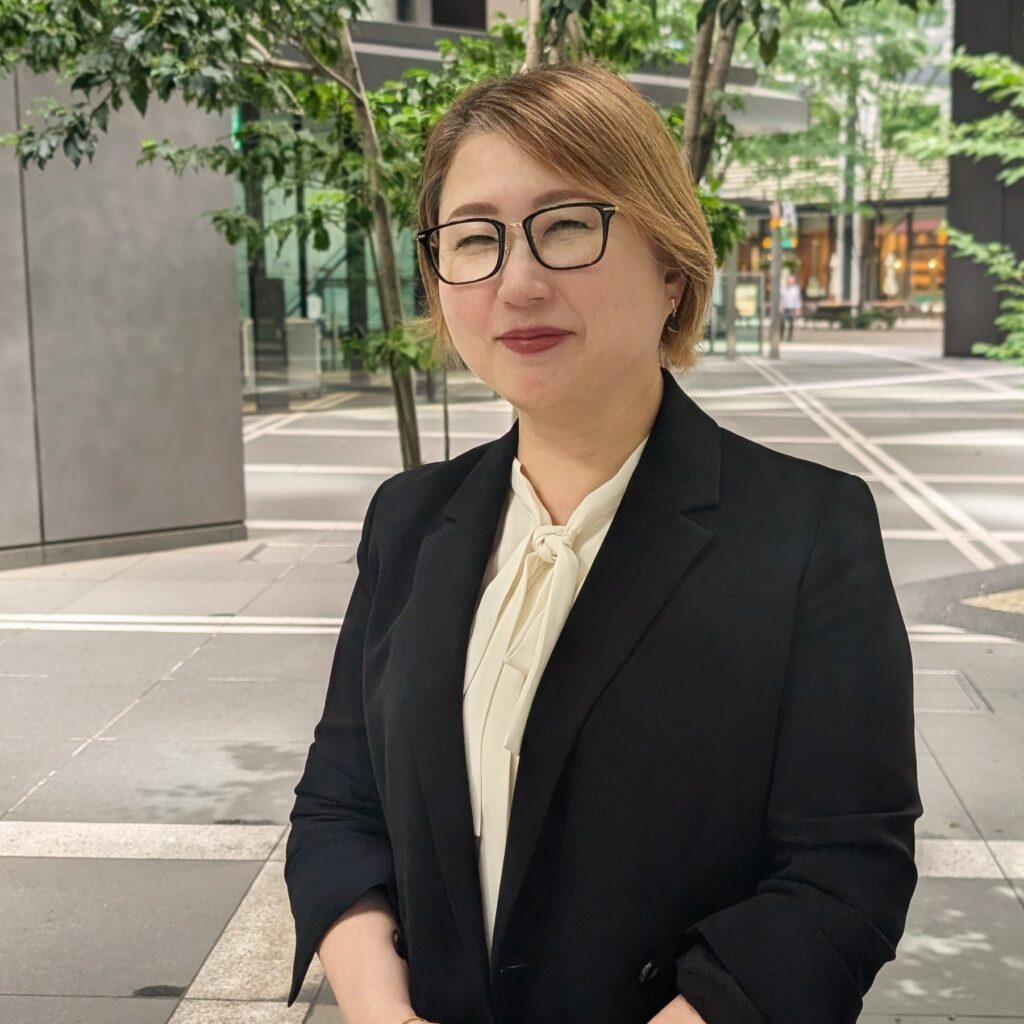
Yuka Amano
Codo Advisory
Director
Yuka Amano holds an MBA from Osaka City University (now Osaka Metropolitan University), where she specialized in social entrepreneurship. She went on to build a broad management career spanning manufacturing, listed subsidiaries, and a university-founded venture. She then joined MCP’s PE/VC investment team, spending four years on due diligence, portfolio monitoring, and LP relations. Alongside this, she drove the integration of impact investing across MCP Group’s funds — developing Theories of Change, embedding impact criteria into investment processes, and building out systematic impact assessment from due diligence through to post-investment. She now leads impact investing and IMM advisory at Codo Advisory.
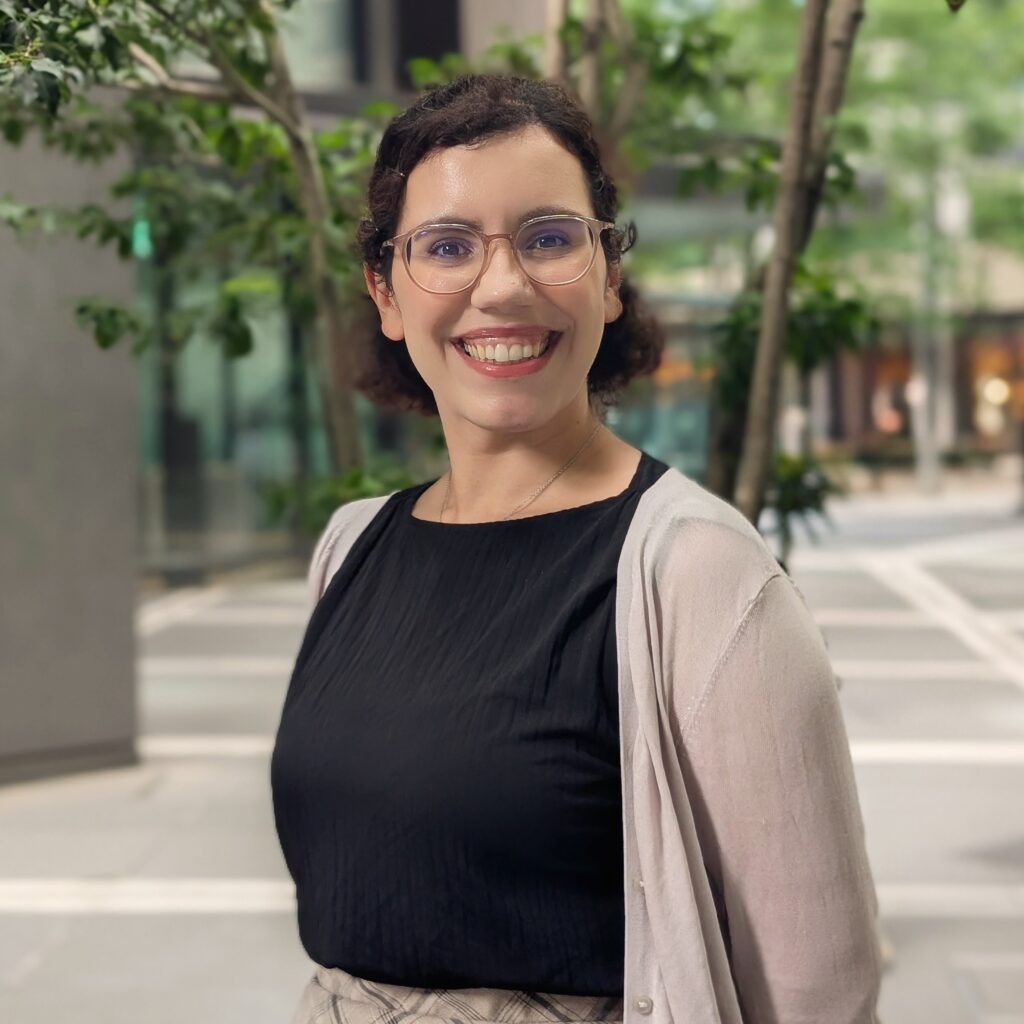
Morgane Benoist
Codo Advisory
Consultant
Morgane Benoist holds a Master’s degree in International and Intercultural Negotiation with a specialization in Japanese from Aix-Marseille Université, and is certified as a Basic-Level Advisor for Decarbonization. At Codo Advisory, she leads education programs and wirtes Codo Insights, the firm’s monthly column analyzing ESG policies and trends in Japan and around the world.
Share this article
